%20--%3e%3csvg%20version='1.1'%20id='Layer_1'%20xmlns='http://www.w3.org/2000/svg'%20xmlns:xlink='http://www.w3.org/1999/xlink'%20x='0px'%20y='0px'%20viewBox='19%2019%20146%2025'%20style='enable-background:new%200%200%20174.95%2063.13;'%20xml:space='preserve'%3e%3cpath%20d='M37.88,35.77c0,3.32-2.59,6.31-9.09,6.31c-5.98,0-9.4-2.3-9.62-6.75h4.54c0.03,1.83,1,2.57,5.09,2.57%20c3.66,0,4.51-0.55,4.51-1.92c0-1.25-0.7-1.71-2.8-2.07l-5.73-0.82c-3.66-0.58-5.83-2.41-5.83-5.73c0-3.08,2.5-6.31,9.36-6.31%20c6.12,0,9.03,2.76,9.18,6.87H32.9c-0.03-1.89-1.06-2.69-5.06-2.69c-3.29,0-4.3,0.64-4.3,1.95c0,1.19,0.67,1.62,2.38,1.92l5.73,0.91%20C36.23,30.74,37.88,32.97,37.88,35.77z%20M80.58,26.2c-3.93,0-5.49,2.41-5.85,5h-0.27c-0.34-2.84-2.14-5-5.67-5%20c-3.84,0-5.37,2.38-5.73,4.94H62.8V26.5h-4.24v15.28h4.57v-7.71c0-2.65,0.79-3.75,3.57-3.75c2.62,0,3.51,0.94,3.51,3.48v7.99h4.57%20v-7.71c0-2.65,0.79-3.75,3.57-3.75c2.62,0,3.51,0.94,3.51,3.48v7.99h4.57v-9.51C86.43,28.79,84.51,26.2,80.58,26.2z%20M88.92,41.78%20h4.57V26.5h-4.57V41.78z%20M117.88,31.56c0-6.37-4.18-10.52-11.1-10.52c-6.77,0-10.98,4.15-10.98,10.52c0,5.67,3.36,9.54,8.89,10.33%20c-0.58-1.43-1-3.06-1.21-4.69c-2.01-0.76-2.84-2.46-2.84-5.63c0-4.54,1.65-6.13,6.13-6.13c4.48,0,6.22,1.59,6.22,6.13%20c0,4.54-1.74,6.13-6.22,6.13c-0.45,0-0.85-0.03-1.24-0.06c1.41,8.2,8.42,10.35,8.42,10.35l3.02-3.48c0,0-3.41-0.94-5.1-3.37%20C115.7,39.58,117.88,36.16,117.88,31.56z%20M137,34.16c0,4.82-3.51,7.93-8.72,7.93c-5.21,0-8.72-3.11-8.72-7.93%20c0-4.88,3.51-7.96,8.72-7.96C133.49,26.2,137,29.28,137,34.16z%20M132.45,34.16c0-2.68-1.1-3.93-4.18-3.93%20c-3.11,0-4.18,1.25-4.18,3.93c0,2.68,1.07,3.87,4.18,3.87C131.35,38.03,132.45,36.84,132.45,34.16z%20M149.85,26.2%20c-4,0-5.82,2.44-6.22,5h-0.28v-4.7h-4.24v15.28h4.57v-7.71c0-2.59,1.04-3.75,3.94-3.75c2.81,0,3.81,1.04,3.81,3.48v7.99h4.57v-9.51%20C156.01,28.88,154.03,26.2,149.85,26.2z%20M91.22,19.28c-0.81,0-1.48,0.26-2.01,0.77s-0.8,1.16-0.8,1.93c0,0.75,0.27,1.38,0.8,1.89%20c0.53,0.52,1.21,0.77,2.01,0.77s1.47-0.26,2-0.77c0.53-0.52,0.79-1.15,0.79-1.89c0-0.77-0.26-1.41-0.79-1.93%20C92.69,19.53,92.03,19.28,91.22,19.28z%20M56.35,33.61c0,0.55-0.06,0.95-0.12,1.46H43.78c0.12,2.35,1.22,3.35,4.18,3.35%20c2.63,0,3.59-0.67,3.65-1.9h4.58c-0.05,3.28-3.26,5.56-8.07,5.56c-5.09,0-8.57-2.5-8.57-7.93c0-4.88,3.45-7.96,8.48-7.96%20C53.02,26.2,56.35,28.82,56.35,33.61z%20M51.88,32.35c-0.24-1.77-1.43-2.59-3.95-2.59c-2.26,0-3.64,0.61-4.05,2.59H51.88z%20M164.42,20%20v3.91h-0.62v-2.64l-1.31,2.12h-0.32l-1.33-2.14l0.01,2.67h-0.62V20h0.48l1.61,2.56l1.59-2.56H164.42z%20M156.01,20.58h1.42v3.34h0.62%20v-3.34h1.42V20h-3.46V20.58z'/%3e%3c/svg%3e)

COOL-CHIPS PROJECT
Chips to power the future of computing
The Cool-chips project advances the commercialization of SemiQon's cryo-optimized CMOS electronics that deliver power efficiency and scalability for quantum computing and critical technologies beyond.
Learn more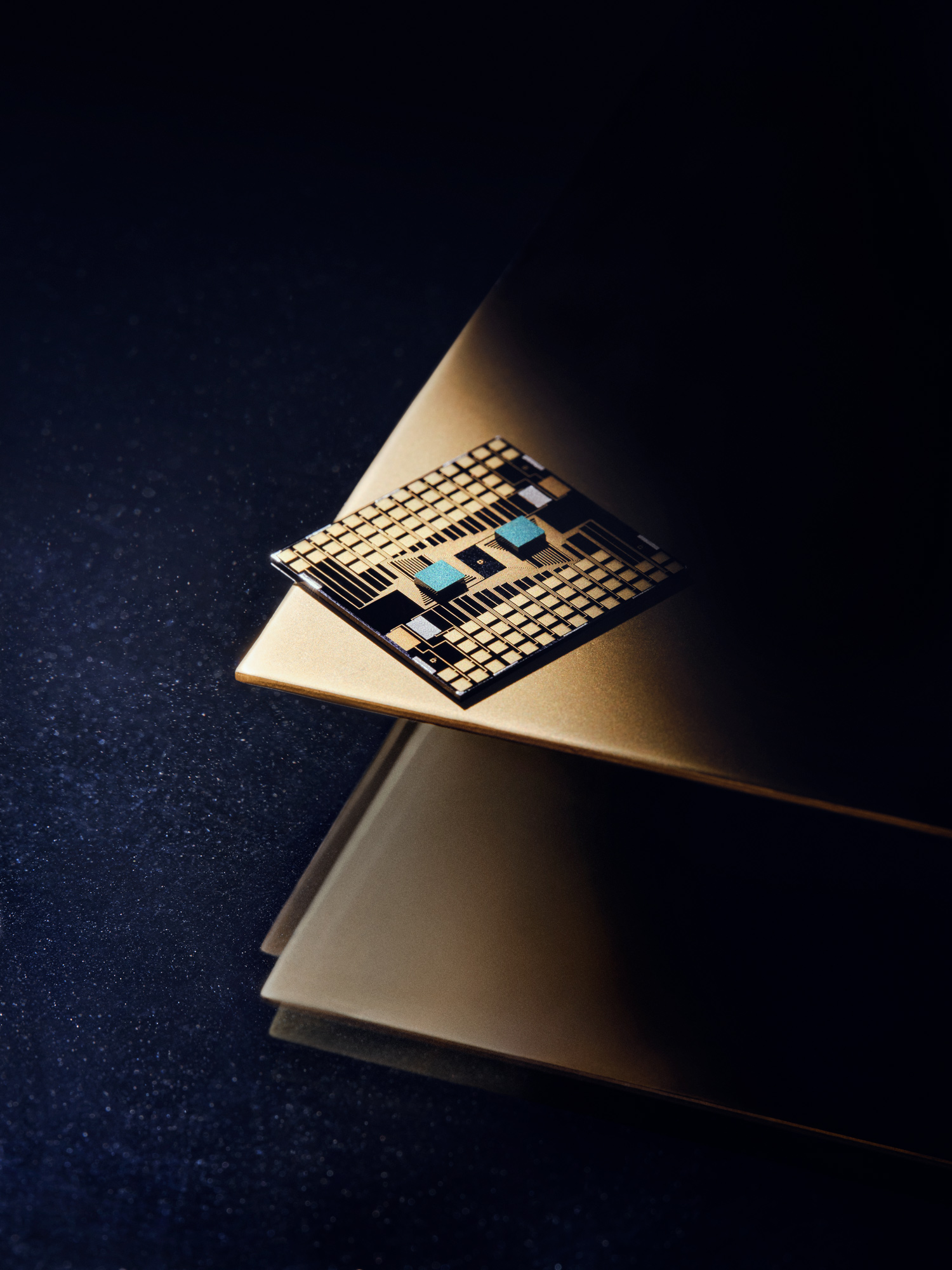

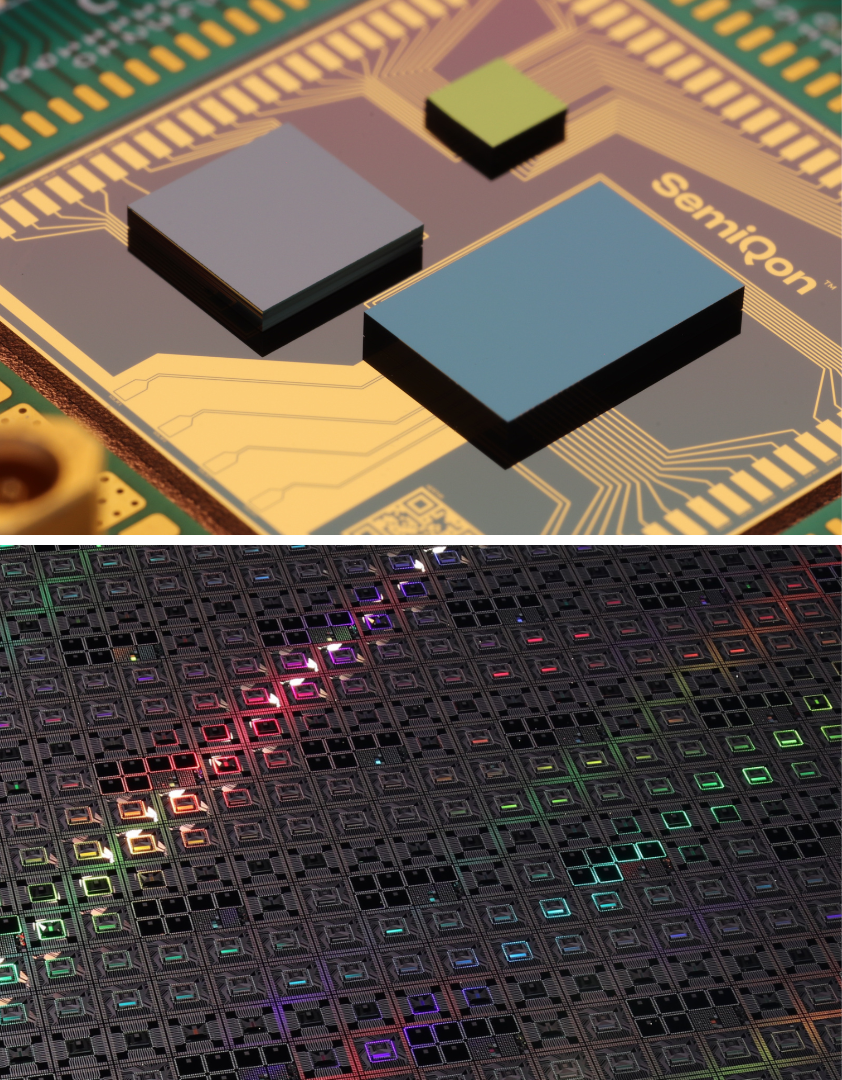
Cryo-optimized CMOS for scalable quantum systems
Cryo-optimized CMOS electronics are control electronics designed to operate in extremely low-temperature environments, the same cryogenic conditions in which quantum processors function.
The research behind cryo-CMOS technology
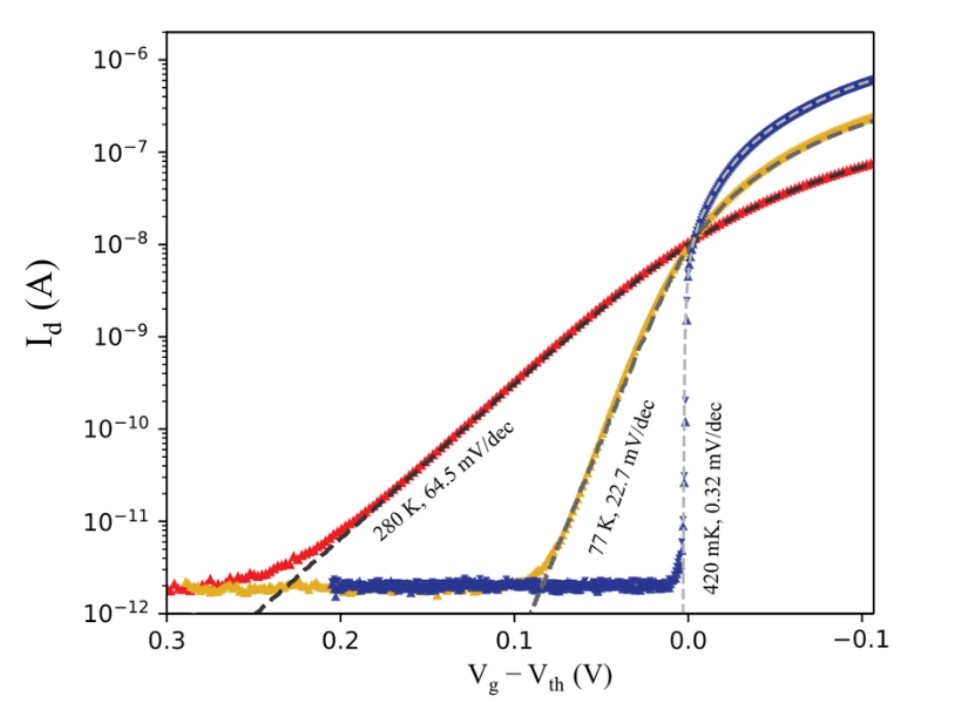
This technology builds on silicon MOSFETs, the core devices of modern CMOS, but specifically engineered using cryo-optimized FD-SOI technology to achieve ultra-low power and sharp switching at millikelvin temperatures.
Read the peer-reviewed paper Millikelvin Si-MOSFETs for Quantum Electronics, published in Applied Physics Letters, through the link below.
Research paper